+91-993-565-5555 Welcome to Asabella, India's Most Trsuted & Leading Kids Shoes Manufacturer !

+91-993-565-5555
Call Us Anytime 24/7
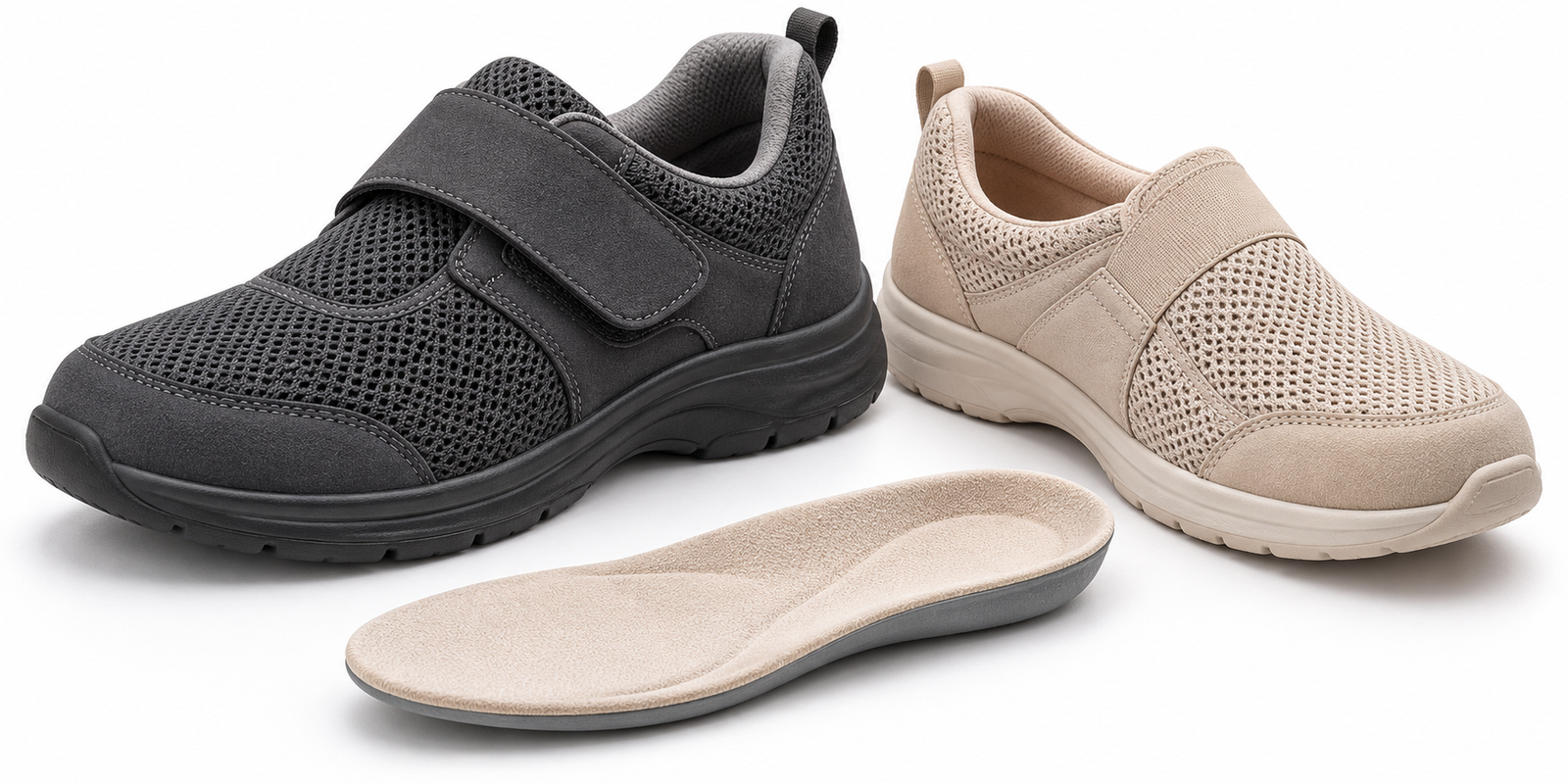
Quick answer: Good diabetic footwear has a roomy toe box, a soft and smooth lining, cushioned support, a breathable upper, and a fit you can adjust. Avoid anything that rubs or pinches, and ask your doctor whether you need special shoes.
The CDC reports that about half of all people with diabetes have some nerve damage, which can dull feeling in the feet. Diabetes can also reduce blood flow, so a wound is more likely to get infected and slower to heal. Because of this numbness, a shoe can rub the skin without you noticing. That is why daily foot checks matter: they help you catch problems early.
Roomy toe box and soft, breathable upper. Health guidance advises extra room at the toes and soft upper material that lets the foot breathe.
Smooth interior. Run your hand inside each shoe and check for rough areas, seams, or objects before you wear it.
Cushioned, removable insole. If your doctor recommends a custom insole, a removable footbed leaves space for it.
Closed toe. Open-toed shoes, especially flip-flops, are not recommended for people with diabetes [4].
Adjustable fastening. Velcro or laces let you tweak the fit as your feet change through the day.
Men who spend long hours on their feet should look for diabetic footwear for men with extra depth, a wide fit, a closed toe, and a soft upper. Many shoppers begin by looking at familiar retail names, and if you are comparing Bata Diabetic footwear for men or any other brand, apply the same checklist to every pair. Fit and comfort matter more than the label, and your doctor can tell you whether you need therapeutic shoes.
Style and foot health can go together. When choosing diabetic footwear for women, look for a wide, rounded toe box, a soft upper, and a cushioned sole. Narrow, pointed fronts leave little room for the toes, so they are best avoided. Diabetic footwear for ladies is also easier to style than many people expect, because neutral colours pair well with kurtas, trousers, and everyday outfits. Whatever the design, the test stays the same: closed, roomy, soft, and free of rubbing [4].
Even the best pair works better with good habits. These steps follow guidance from the CDC, MedlinePlus, and other health bodies:
If you have numbness, calluses, deformities, or a past foot ulcer, your needs are more specific. The 2023 International Working Group on the Diabetic Foot (IWGDF) guideline recommends that people at moderate-to-high risk be educated to wear properly fitting, accommodative, therapeutic footwear. For people with a healed ulcer, it recommends prescribed footwear that has shown a pressure-relieving effect while walking. Footwear for diabetic foot concerns like these should be chosen with a doctor or podiatrist, not from an online guide alone.
Have your feet measured every time you buy shoes, and try them on with the socks you usually wear. Stand up and walk around for a few minutes. The heel should feel secure without slipping, and the toes should have room to move. Skip any pair that rubs or leaves red marks. Do not count on shoes "stretching" later; a pair that is uncomfortable in the shop is a risk at home.
What is diabetic footwear?
It is footwear designed to lower pressure, friction, and injury risk for people with diabetes, usually with a roomy toe box, a soft lining, and cushioned support.
Can I wear regular shoes if I have diabetes?
Possibly, if they are closed, they are roomy, soft, and smooth inside. If you have numbness, foot deformities, or have had a foot sore, ask your doctor before choosing.
Check the inside of your shoes every time before you put them on.
Replace a pair when the cushioning flattens, the sole wears unevenly, or the lining tears.
Both should follow the same safety checklist. Diabetic footwear for men and diabetic footwear for women differ mainly in shape, width, and style, so choose the pair that fits your foot best and does not rub.
Should I talk to a doctor before buying?
Yes, especially if you have nerve damage, deformities, or a history of foot ulcers. Your doctor can tell you your risk level and whether you need therapeutic footwear.
Your feet carry you through every day, so give them thoughtful care. Use this guide as a checklist, talk to your doctor about your needs, and choose comfort that lasts. Explore the Asabella collection and look closely at the fit, materials, and closure of each pair. Asabella product name, materials, sole, closure type, size range, and product page link; only the brand can confirm.
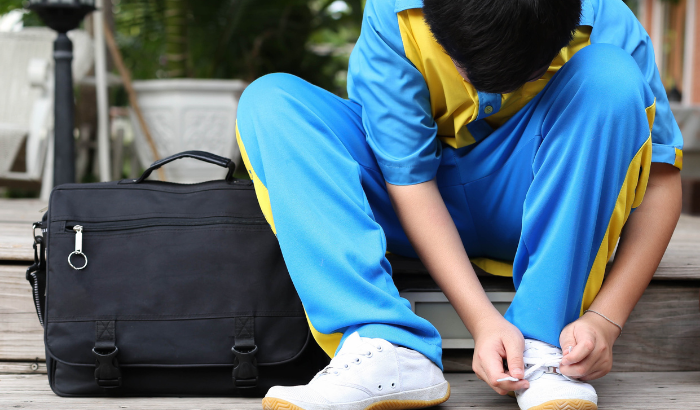
When the toes of your child touch the front of the shoe or the inner are loose and worn out, then the time has come to buy another pair. Consider it as a maturity process and not a waste. A new couple is a source of comfort and support, as well as confidence, to the many adventures the couple will encounter.
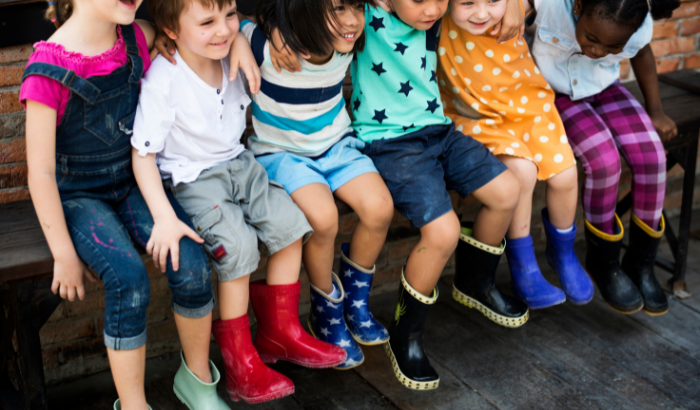
Girls’ footwear should reflect both comfort and personality. Asabella Girls Shoes offer that balance — soft insoles, flexible soles, and stylish details that encourage movement without discomfort.

At Asabella, the kids summer shoes are built exactly for that — light on the feet and easy to clean after a day of playground dust. And as any parent knows, that’s a blessing.
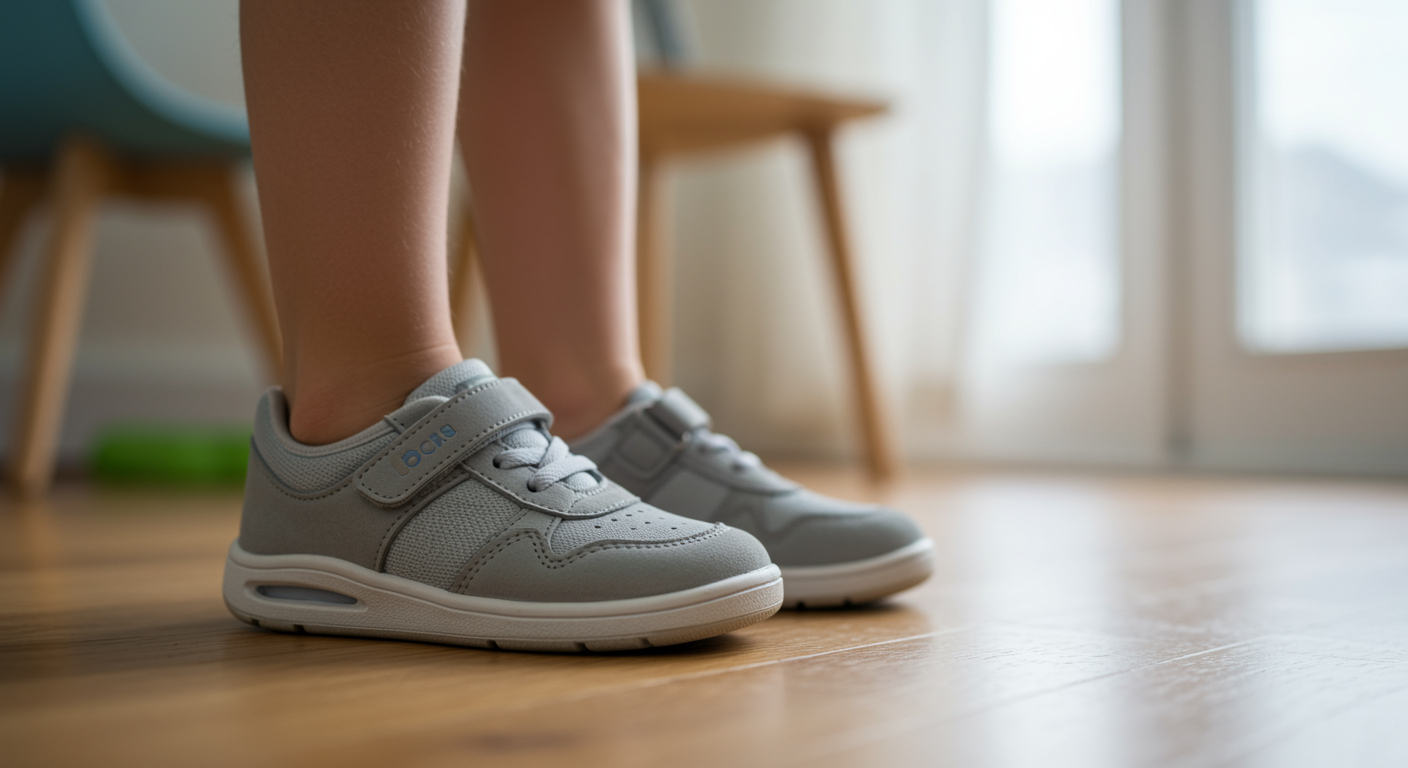
Learn why good-quality kids footwear is essential for healthy foot growth. Discover how arch support, ankle stability, and comfort protect your child’s posture.
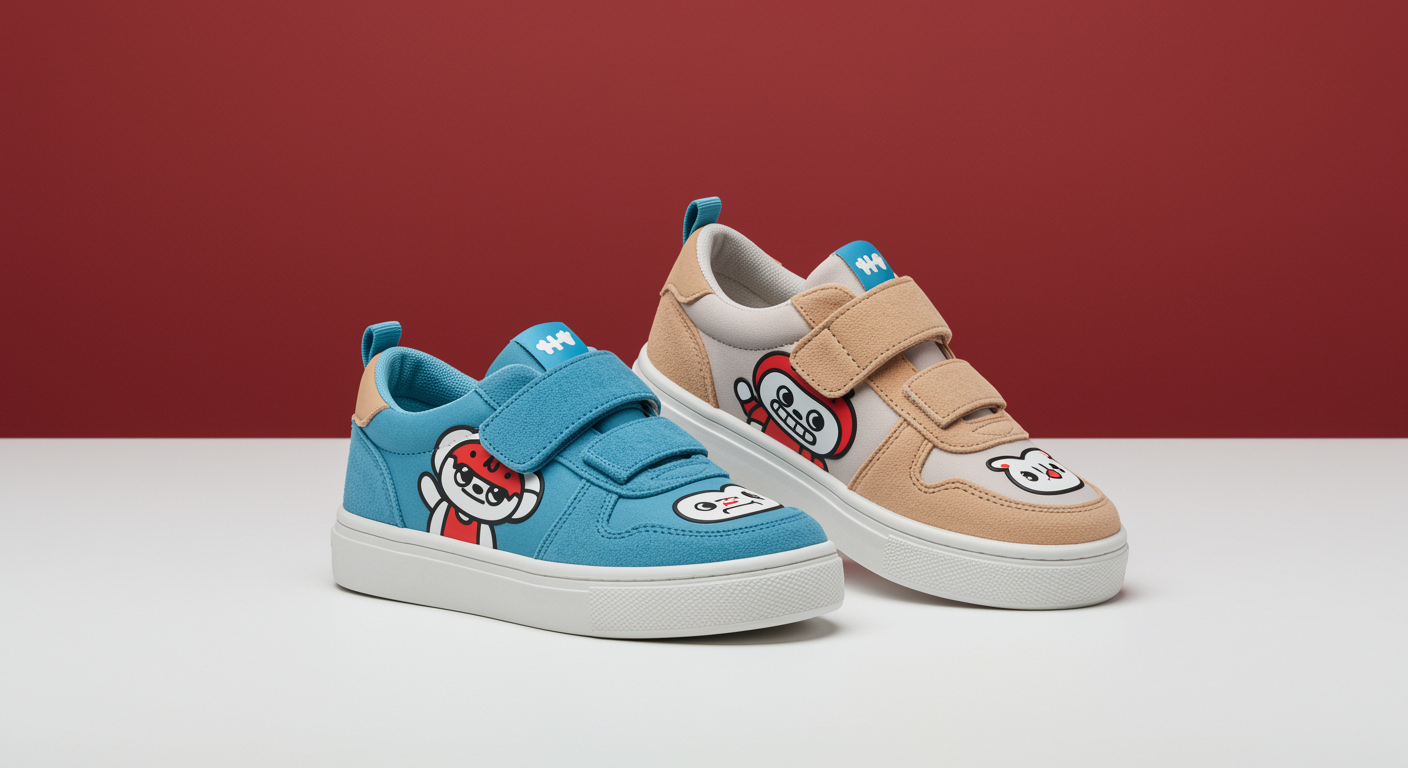
Cartoon shoes for kids that combine fun designs with comfort and safety. Explore styles, benefits, and why Asabella is a trusted cartoon shoes manufacturer in India.
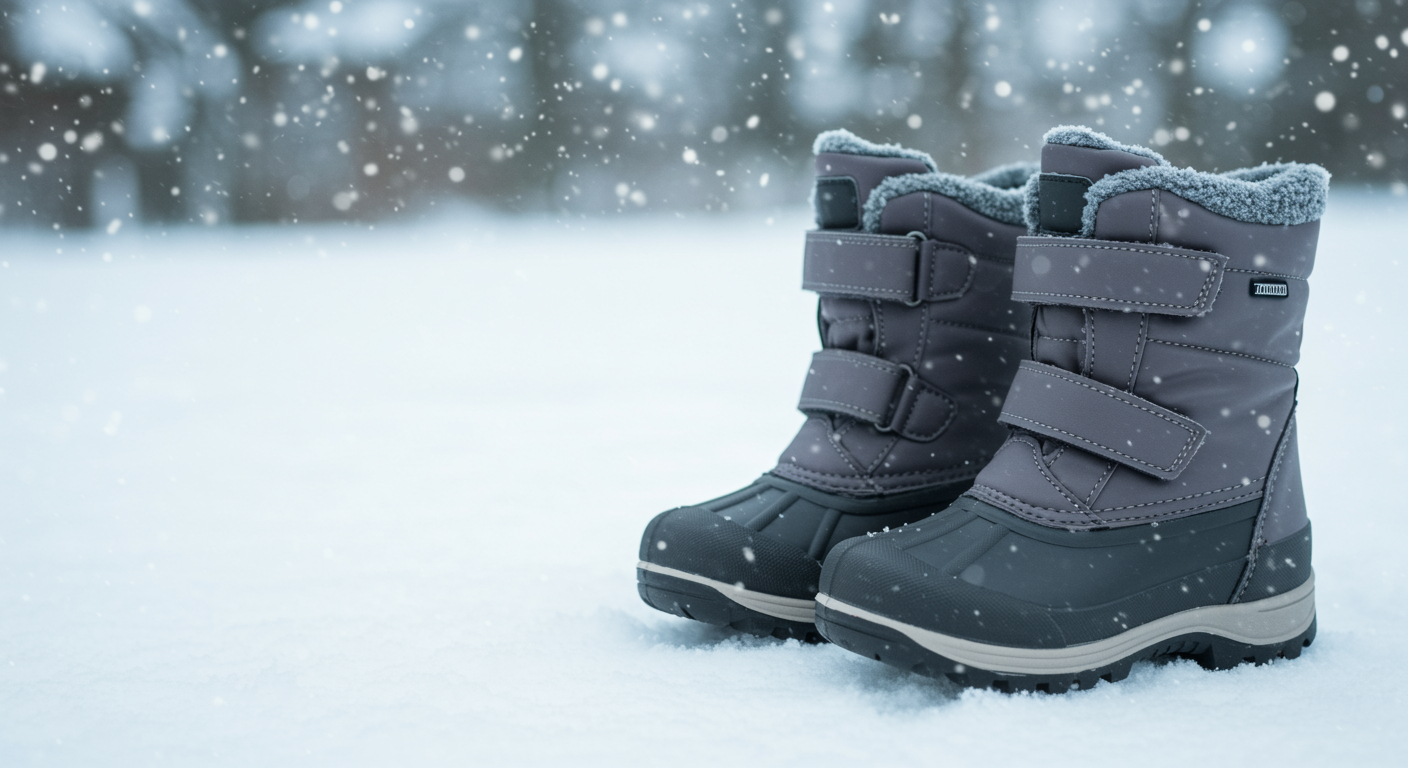
Planning winter footwear inventory? Explore insulated and waterproof winter kids boots designed for bulk buyers and exporters.
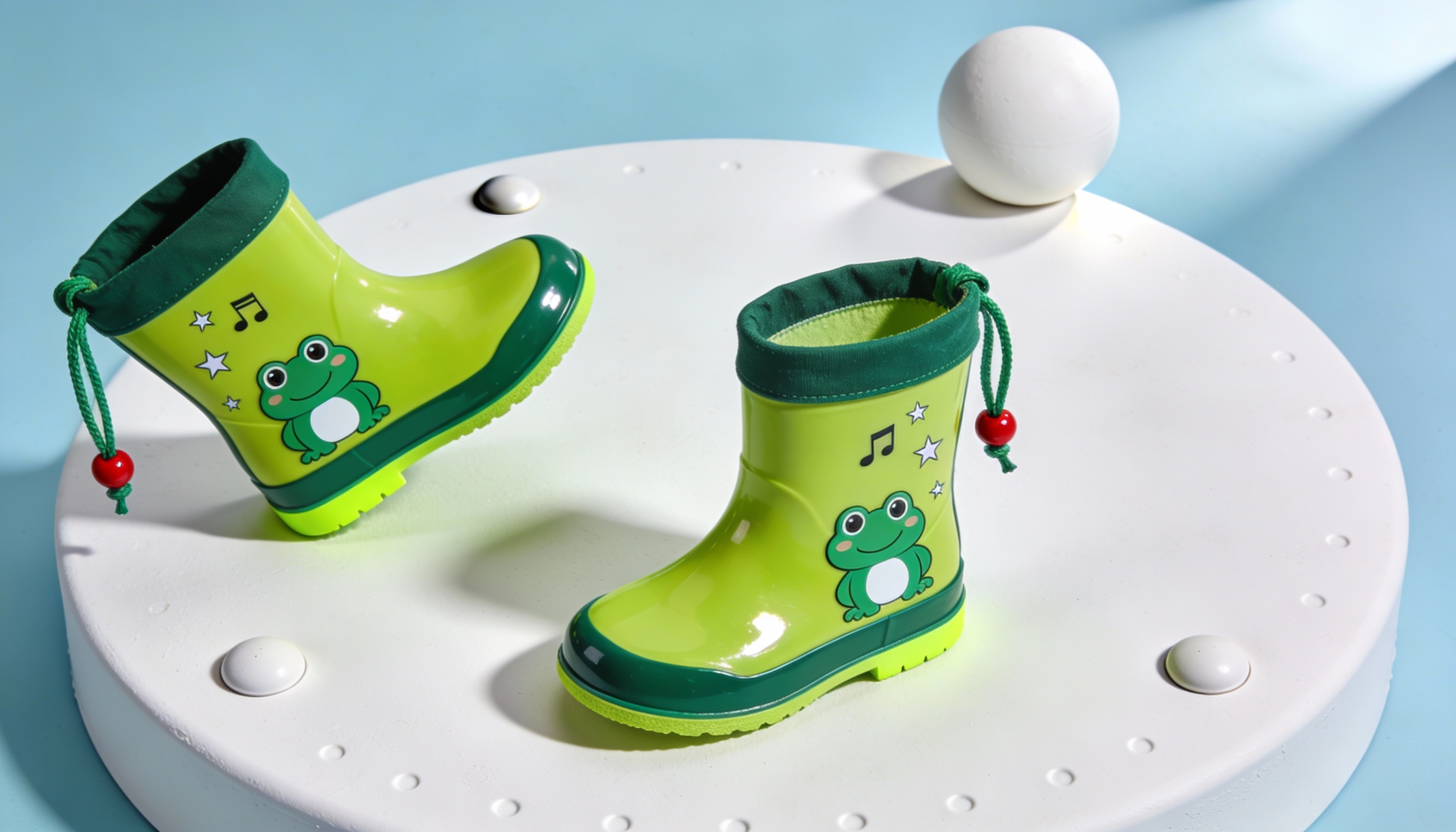
Choosing the wrong kids gum boots manufacturer can lead to poor quality and losses. Learn what to check before investing.
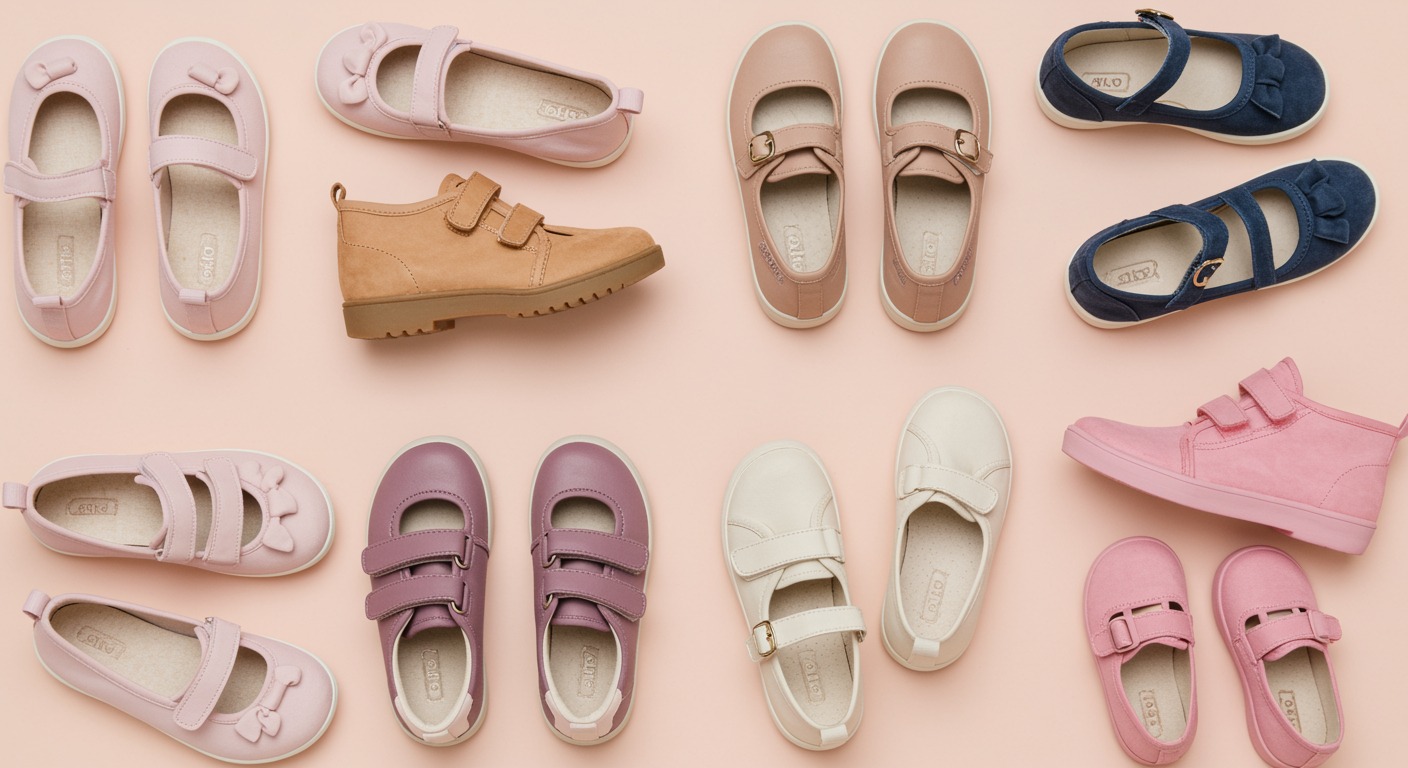
Looking for the right shoes for girls? Learn how to choose sandals, sneakers, boots, gumboots, and flats for comfort, fit, and daily use.
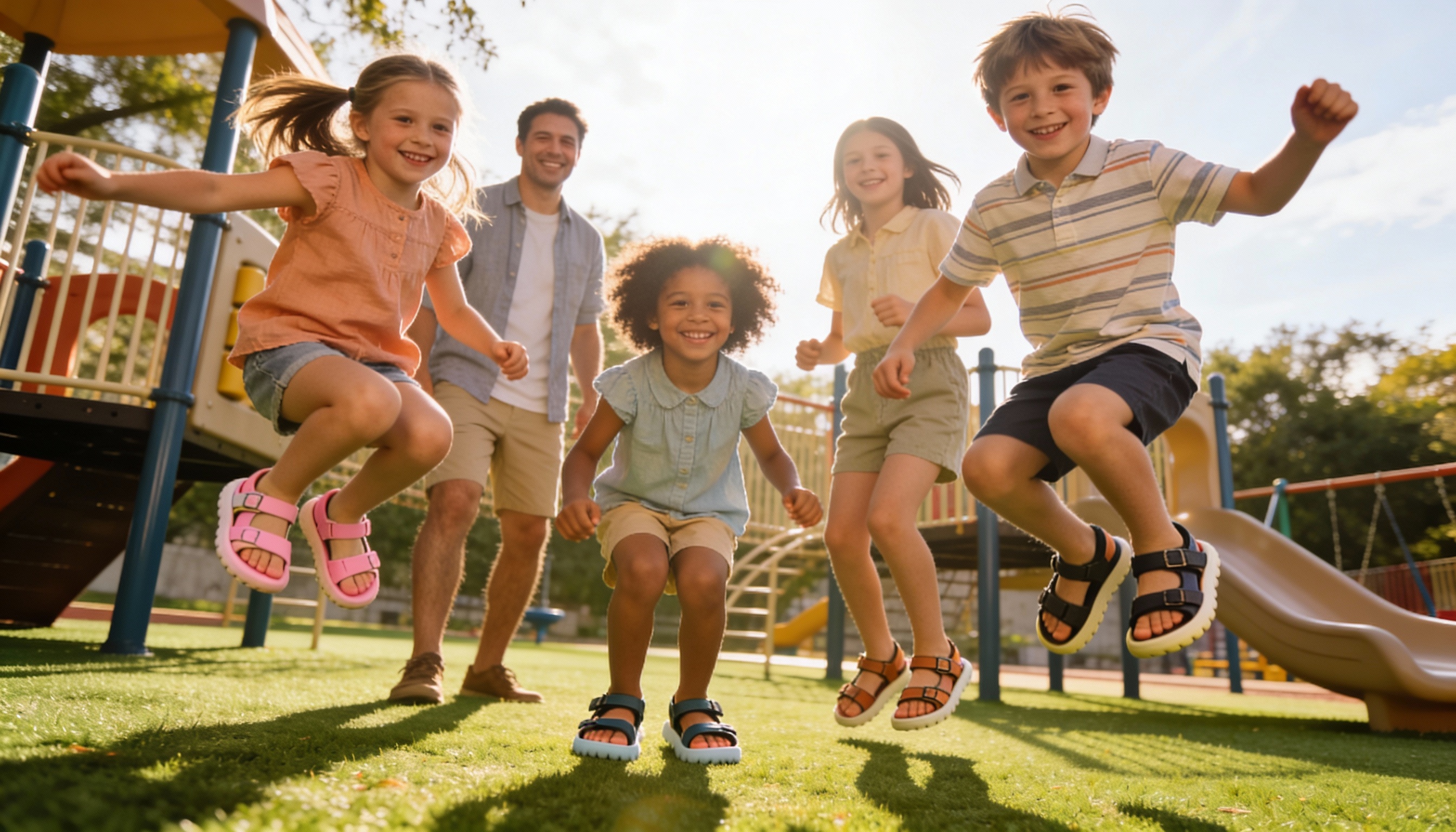
Explore the best kids sandals for active children – types, features, comparisons, and tips to choose comfortable, safe, and stylish footwear.
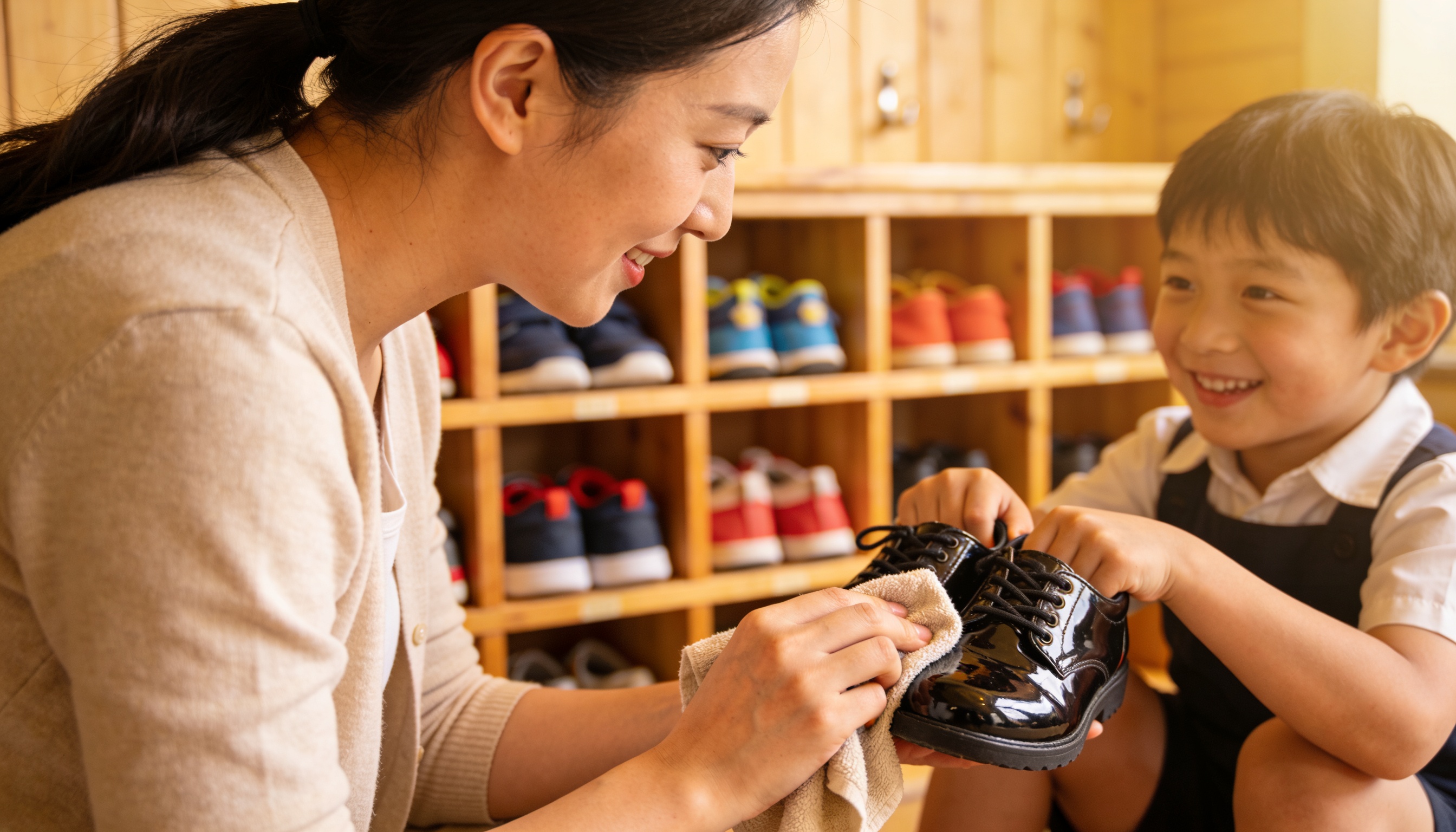
Learn how to make kids shoes last longer with expert care tips. Discover smart cleaning, storage, and buying advice from trusted kids shoes suppliers in India.