+91-993-565-5555 Welcome to Asabella, India's Most Trsuted & Leading Kids Shoes Manufacturer !
+91-993-565-5555
Call Us Anytime 24/7
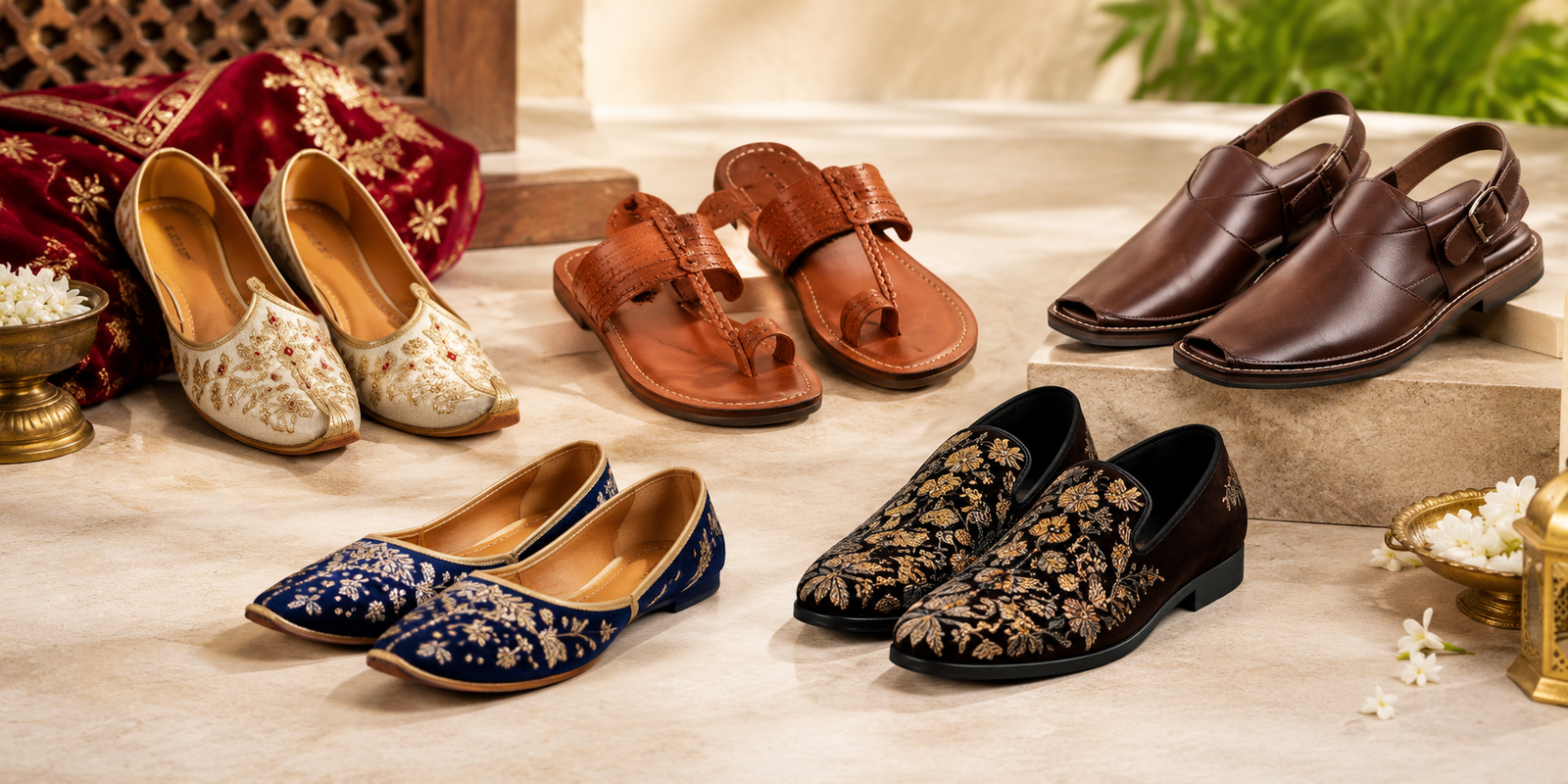
The main styles of ethnic footwear for mens are mojaris, juttis, kolhapuris, Peshawari sandals, nagras, and embroidered loafers. Mojaris and juttis suit weddings. Kolhapuris suit daytime festivals. Loafers work when you want a kurta to look a little more modern. Whatever you pick, keep its formality in line with the outfit.
Put a sherwani on a man, give him worn-out sneakers, and nobody remembers the embroidery. They remember the sneakers. Footwear for ethnic wear carries more visual weight than most people expect, since it sits at the bottom of every photo. Comfort counts too. Weddings run long, and a stiff sole will have you hunting for a chair by the second ritual. Good ethnic footwear for mens solves both problems at once.
Mojaris. Closed-toe slip-ons with a flat sole, usually with a slight curve at the toe. They go with sherwanis, bandhgalas, and dressy kurtas. One tip from experience: check the insole before you buy, because thin leather soles get painful after a few hours.
Juttis. Cousins of the mojari, juttis tend to carry heavier embroidery or beadwork, and this jutti overview explains how the style spread. Pair them with a plain kurta, since the shoes already do the talking.
Kolhapuris. Flat, open sandals with braided straps. They stay cool in summer and look right with cotton kurtas, linen shirts, or a dhoti. I usually point people to them for daytime pujas and family lunches.
Peshawari sandals. A firm back strap keeps the foot in place, which makes them practical ethnic footwear for mens who stay on their feet all day. Pathani suits and long kurtas are the natural match.
Nagras. Pointed, upturned toes and a distinctly old-world look. Grooms like them. They're bold, though, so wear them around the house a few times before the event.
Ethnic loafers. Tan or embroidered loafers sit halfway between traditional and western. A Nehru jacket or a short kurta works well with them, and so does an office Diwali party.
The same thinking applies to women's styles. Ethnic footwear for womens covers embroidered flats, block-heeled sandals, and juttis made to go with sarees, lehengas, and salwar suits. Formality, comfort, and color matching drive the choice here, just as they do with ethnic footwear for mens.
Start from the outfit. Pastel kurtas look good with tan, cream, or gold. Maroon, navy, and bottle green call for dark brown or black. Then ask where you'll be wearing the shoes. An evening wedding needs cushioning and a secure heel, while a short puja visit is fine in an open sandal.
Fit deserves attention. Handcrafted leather gives a little with wear, so a snug fit in the shop usually relaxes by the second outing. Skip anything that pinches at the toes or slides at the heel, and look closely at the stitching around the sole.
You'll probably run into names like Happstance Footwear and Adda Footwear while searching. Comparing labels is sensible, as long as you judge each pair on the same things: material, stitching, insole comfort, and true-to-size fit. If you'd like a wider view of shoe styles, our guide to types of footwear covers them.
Don't wear the same pair every day. Let shoes air out after each use, wipe leather with a dry cloth, keep embroidery away from moisture, and stuff the toes with tissue when you store them. A few habits like these can stretch the life of ethnic footwear for mens by years.
What is the best ethnic footwear for mens at a wedding? Mojaris and juttis are the safest picks, ideally in a shade that echoes your sherwani or kurta. Choose a cushioned insole if the event will run long.
Can I wear ethnic footwear with jeans? Yes. Kolhapuris, loafers, and plain juttis look good with jeans and a short kurta, and the mix feels relaxed rather than forced.
How do I find my size in ethnic footwear? Measure your foot in the evening, when it's a little larger. Go for snug, not tight, because leather softens as you wear it.
Is ethnic footwear for mens comfortable every day? It can be. Look for cushioned insoles and flexible soles. Kolhapuris and loafers are the easiest to live in daily.
Which color of footwear for ethnic wear is the most versatile? Tan and brown match most kurta shades, so they make a smart first purchase if you're building a small collection.
Your outfit deserves shoes that keep up with it. Find ethnic footwear for mens that suits your style and budget, and walk into the next celebration comfortable and confident. Learn more about Asabella, then contact our team to place an order or get help with sizing.
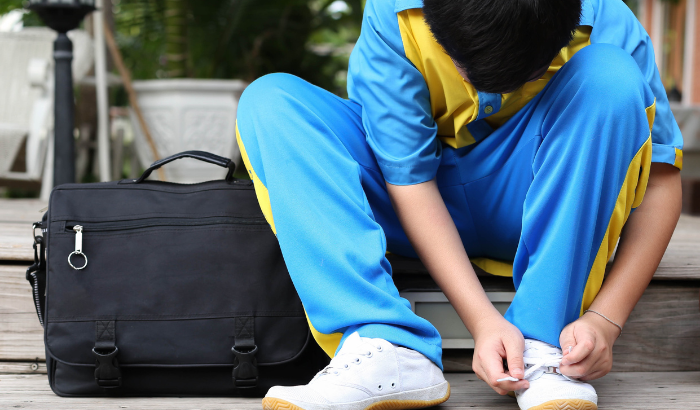
When the toes of your child touch the front of the shoe or the inner are loose and worn out, then the time has come to buy another pair. Consider it as a maturity process and not a waste. A new couple is a source of comfort and support, as well as confidence, to the many adventures the couple will encounter.
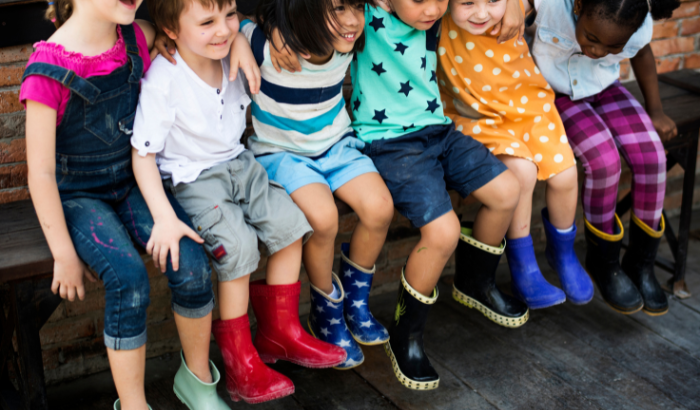
Girls’ footwear should reflect both comfort and personality. Asabella Girls Shoes offer that balance — soft insoles, flexible soles, and stylish details that encourage movement without discomfort.
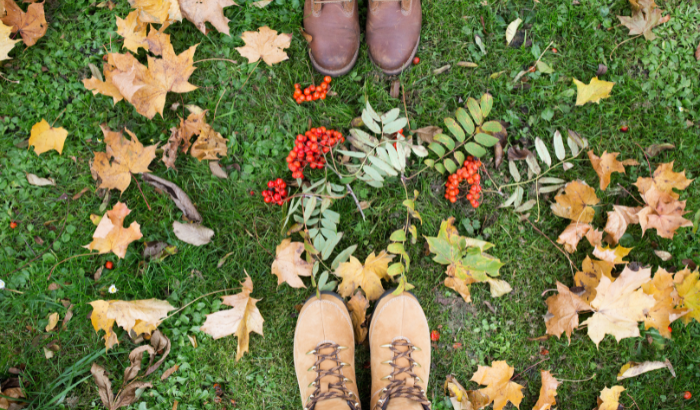
At Asabella, the kids summer shoes are built exactly for that — light on the feet and easy to clean after a day of playground dust. And as any parent knows, that’s a blessing.
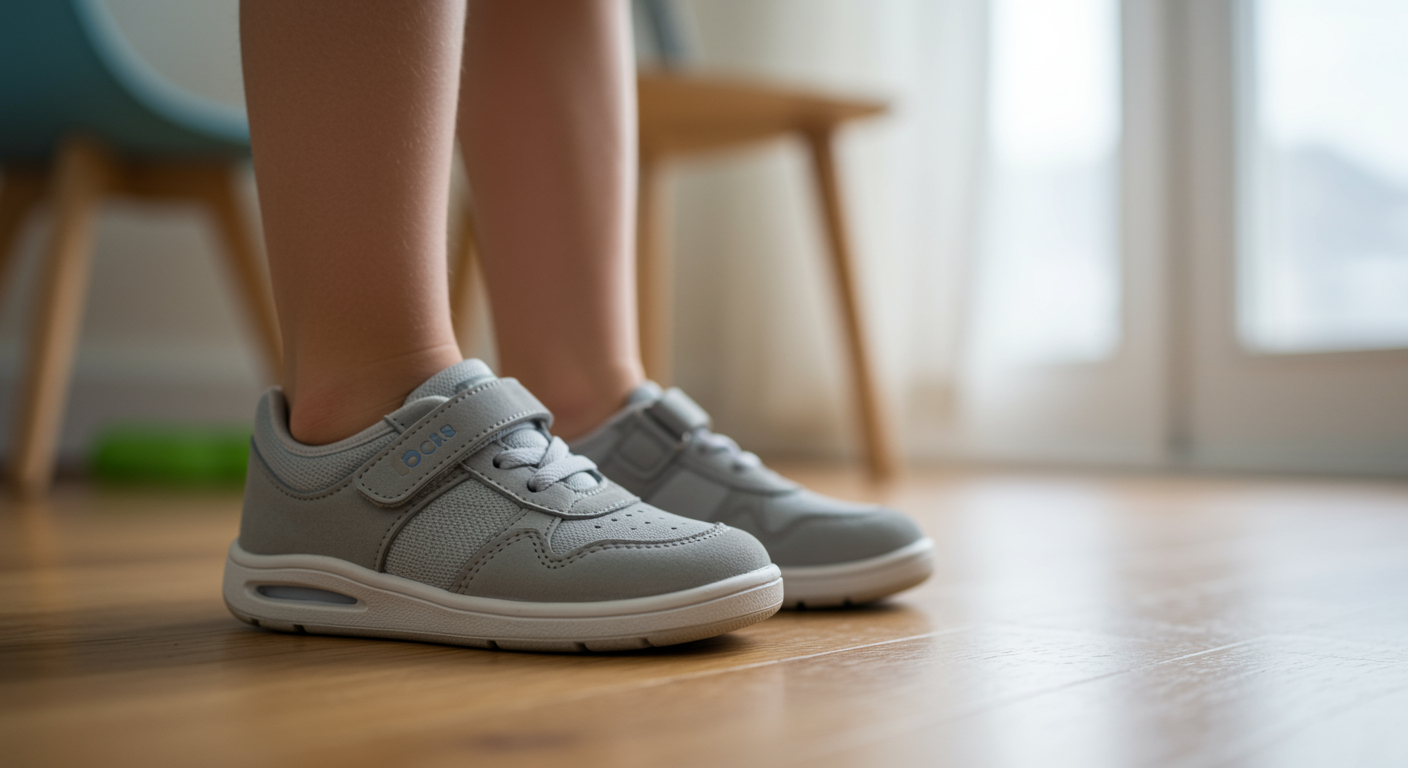
Learn why good-quality kids footwear is essential for healthy foot growth. Discover how arch support, ankle stability, and comfort protect your child’s posture.
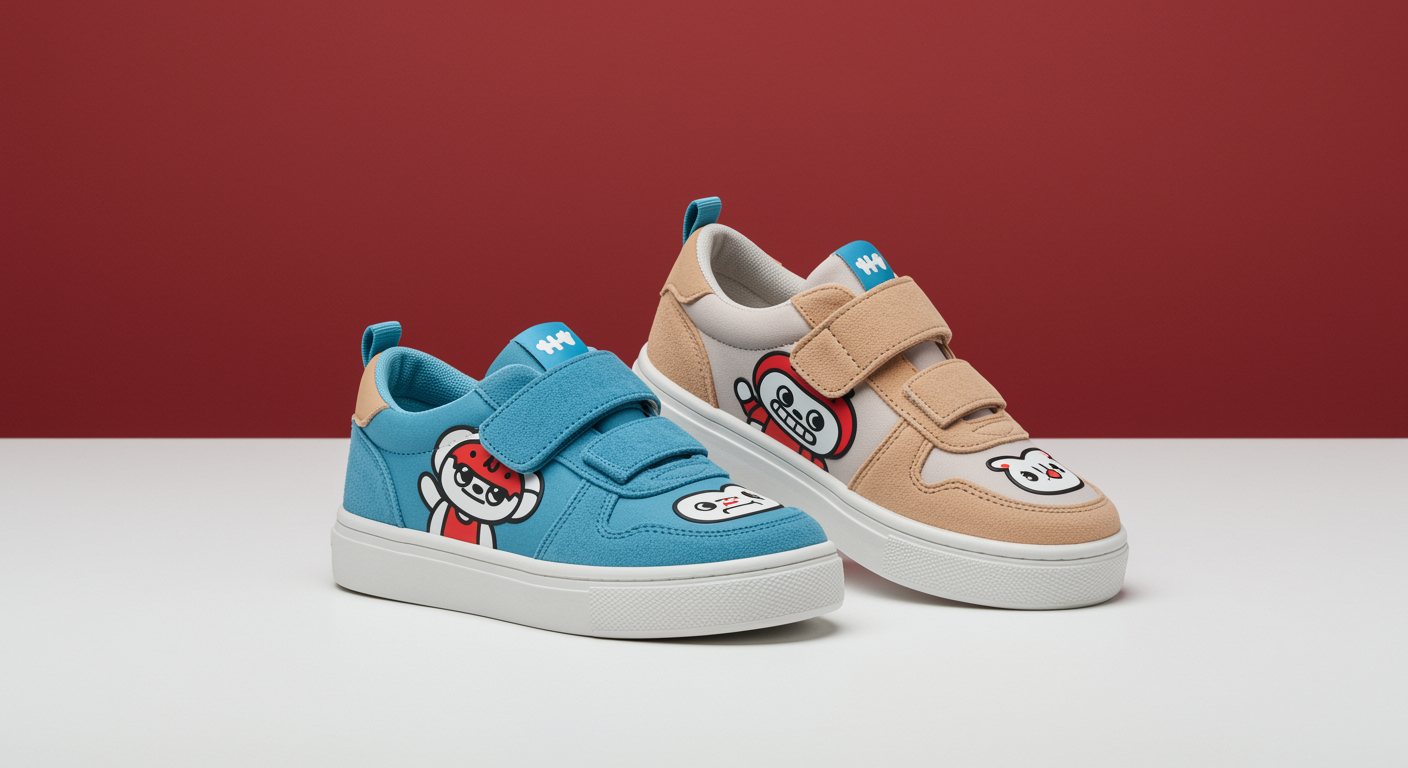
Cartoon shoes for kids that combine fun designs with comfort and safety. Explore styles, benefits, and why Asabella is a trusted cartoon shoes manufacturer in India.
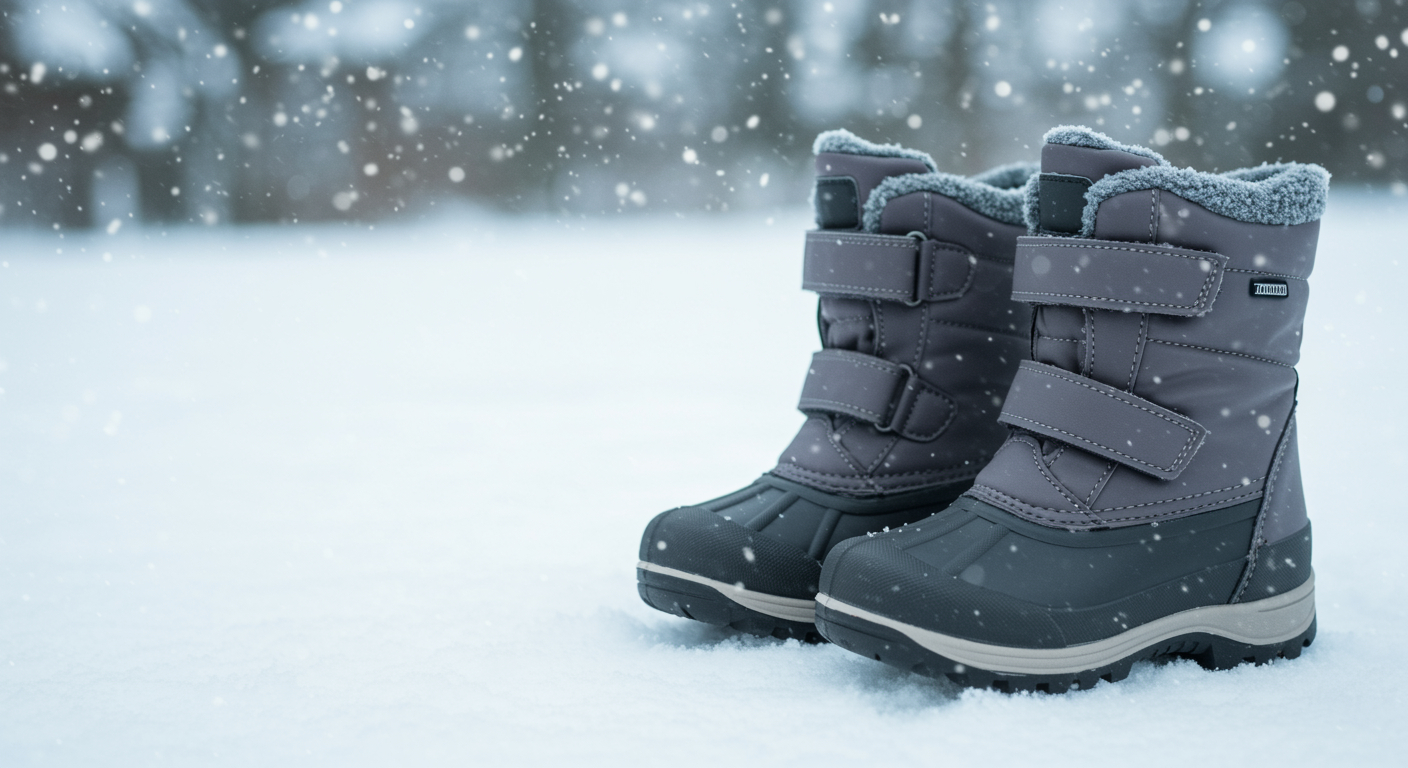
Planning winter footwear inventory? Explore insulated and waterproof winter kids boots designed for bulk buyers and exporters.
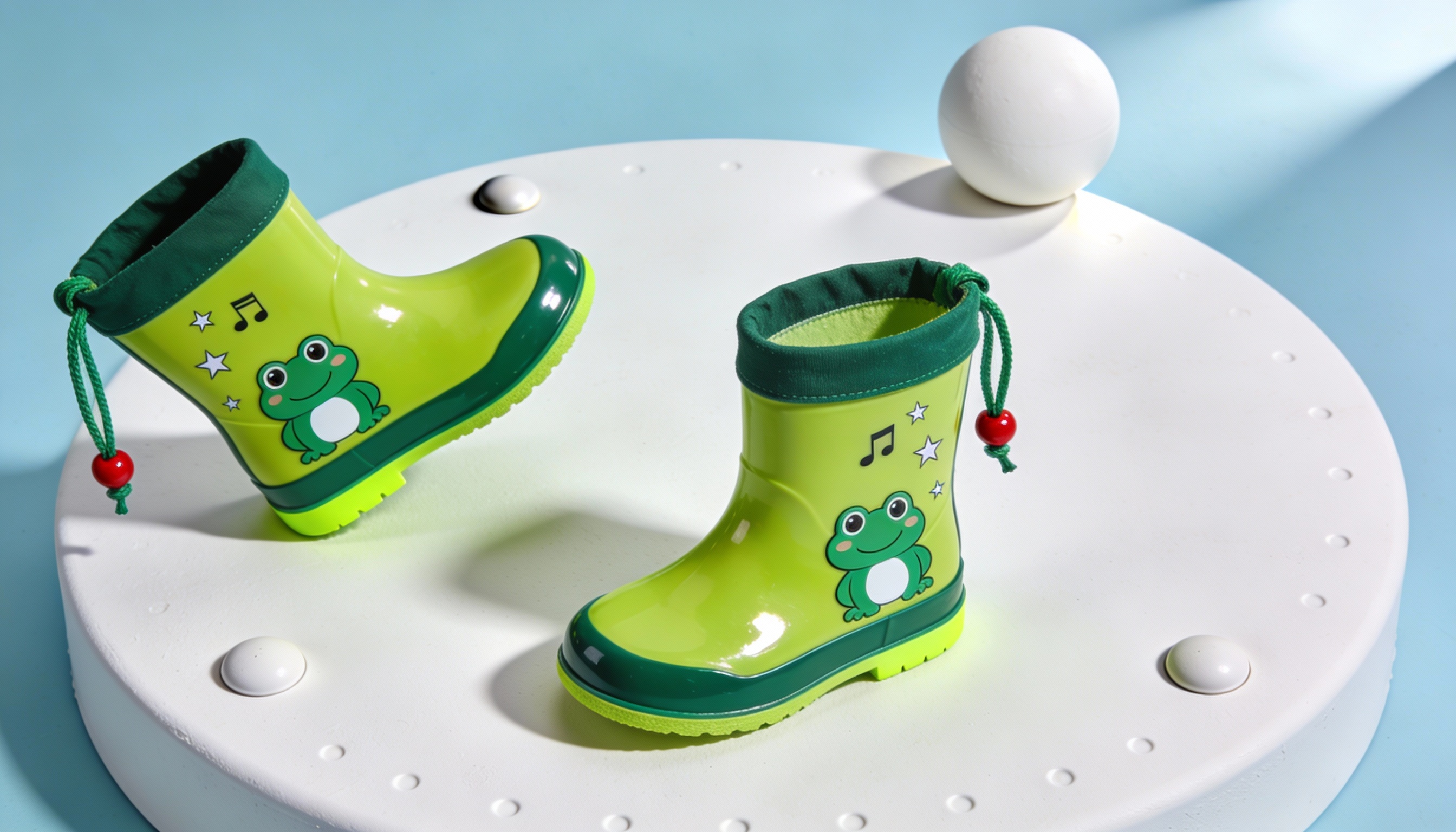
Choosing the wrong kids gum boots manufacturer can lead to poor quality and losses. Learn what to check before investing.
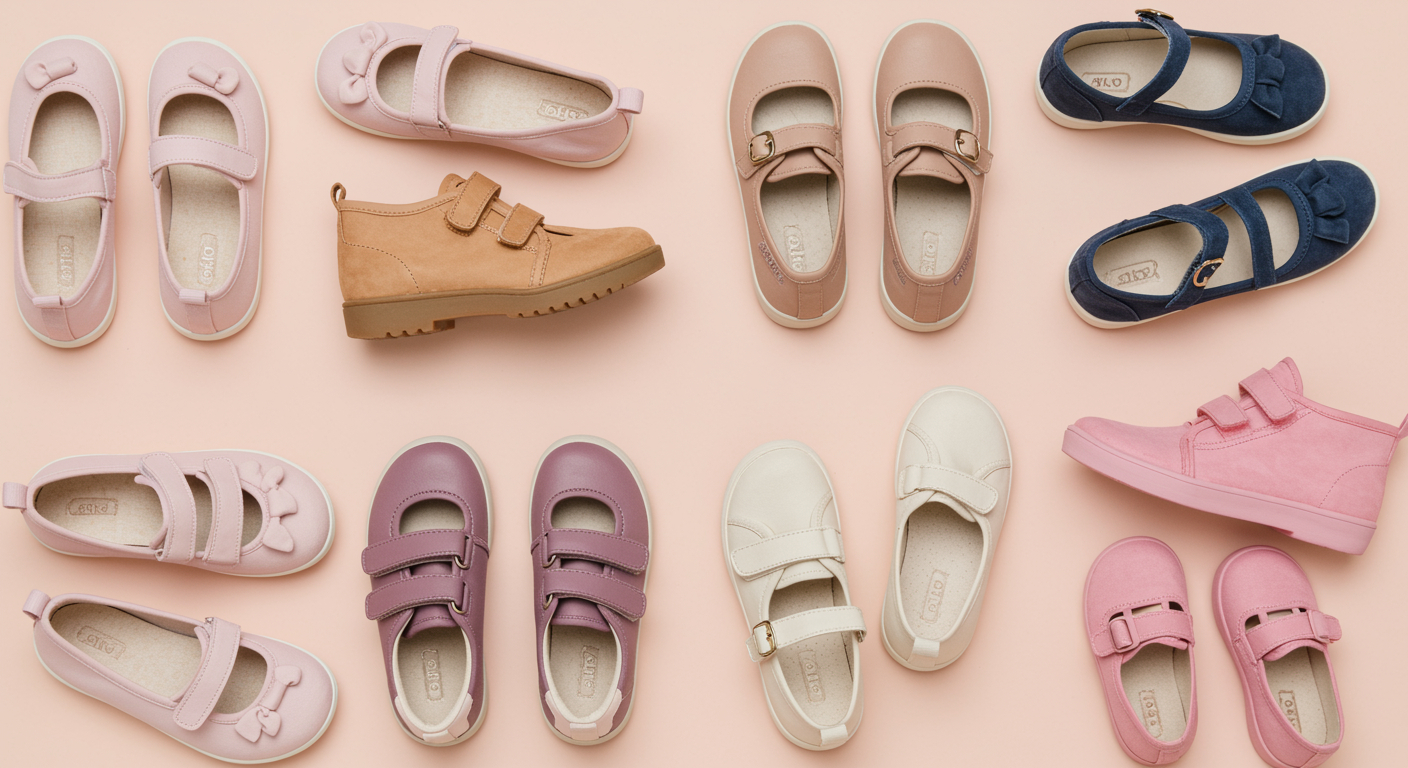
Looking for the right shoes for girls? Learn how to choose sandals, sneakers, boots, gumboots, and flats for comfort, fit, and daily use.
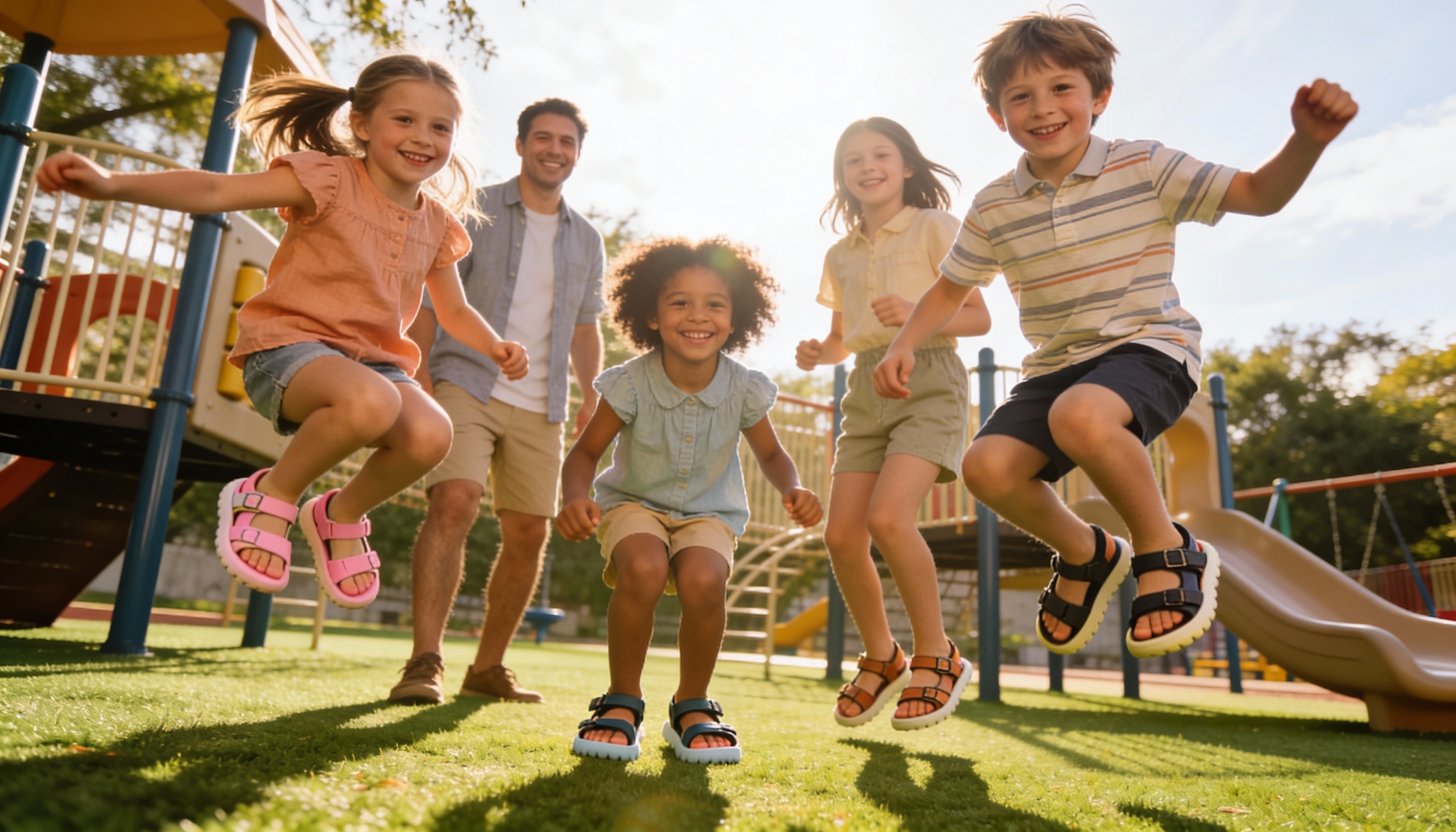
Explore the best kids sandals for active children – types, features, comparisons, and tips to choose comfortable, safe, and stylish footwear.
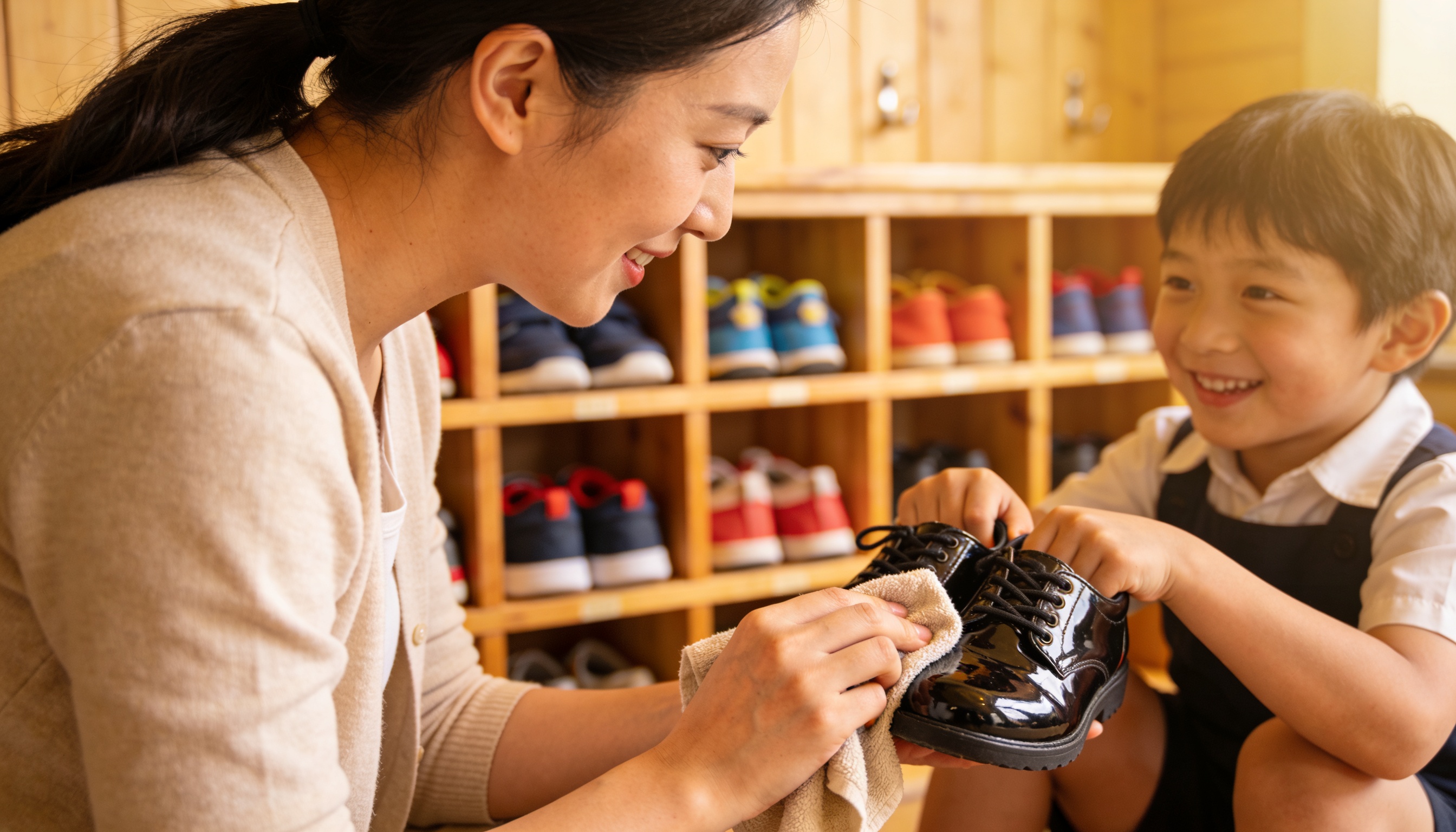
Learn how to make kids shoes last longer with expert care tips. Discover smart cleaning, storage, and buying advice from trusted kids shoes suppliers in India.